Efficacy Data from 10,000 Battery Records
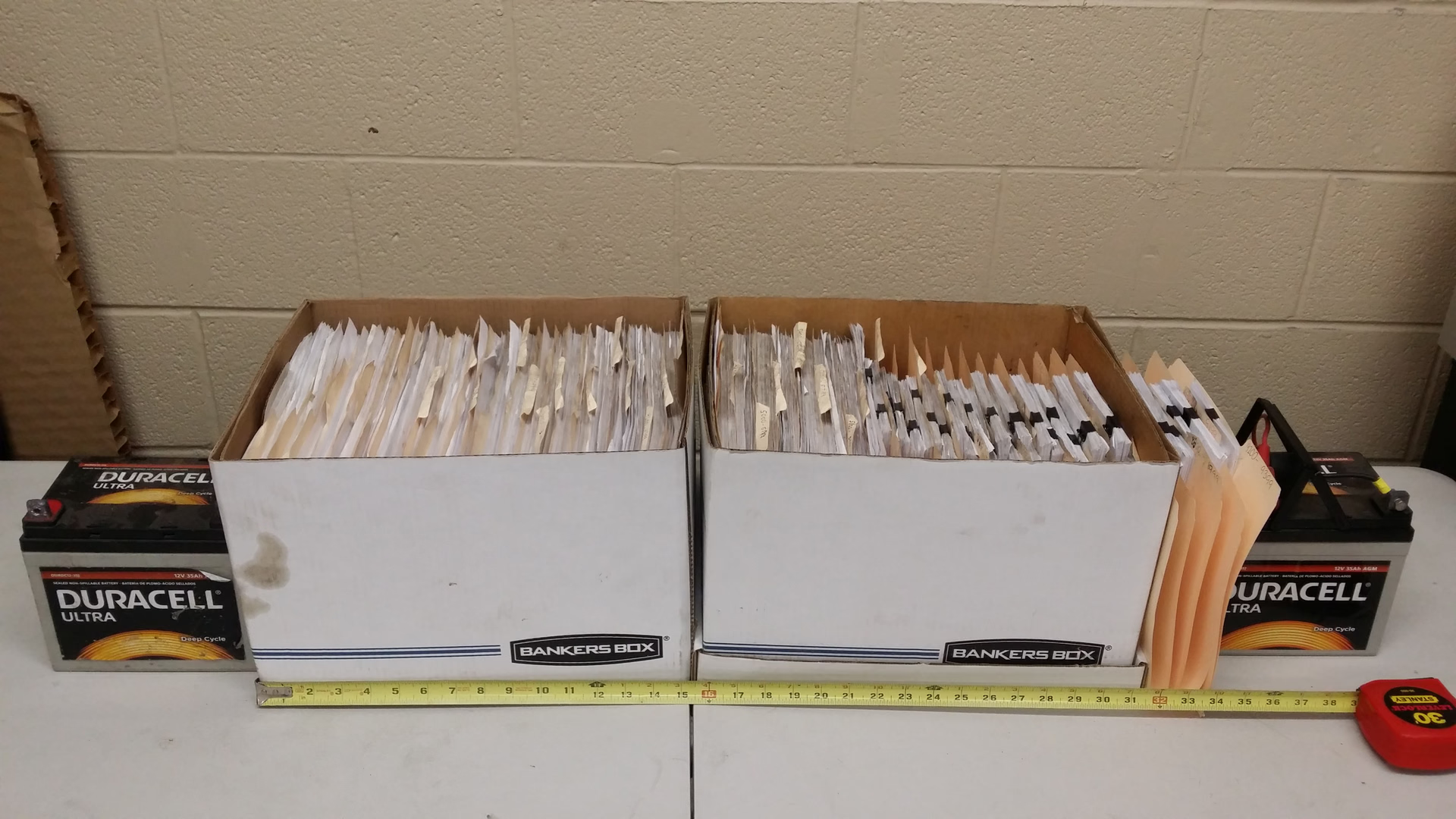
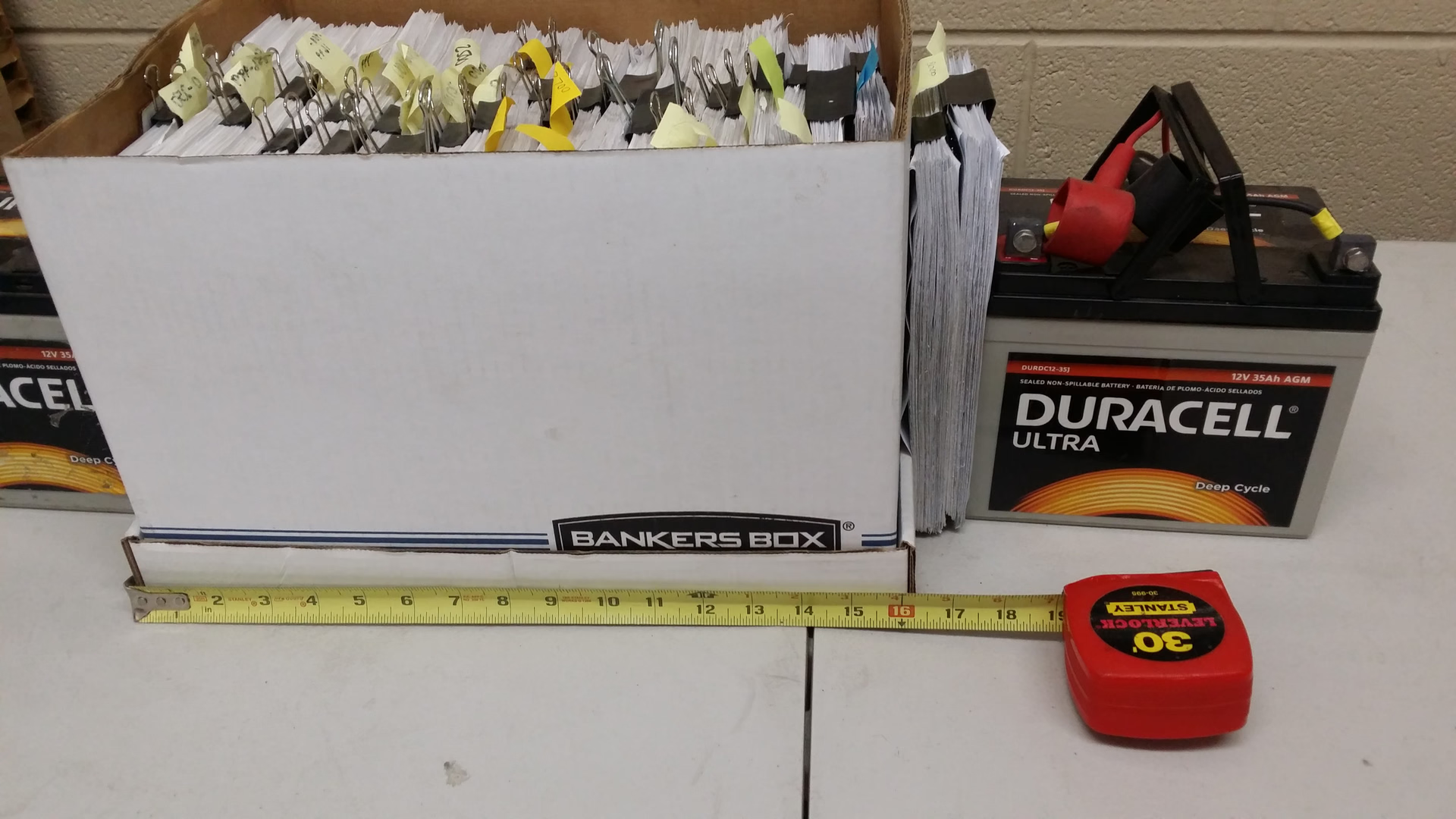
Over 10,000 batteries have been processed in the course of developing ReVolt's battery restoration products. Every single one has its own handwritten, sequentially numbered record sheet, kept from the moment it entered the process to the moment it was sold or recycled. Across that whole record, yield, speed, durability and result quality have all improved as the method was refined.
10,000
batteries on record
Each with its own numbered handwritten sheet
65%
overall success rate
4
years of independent verification
Confirmed and gathered by four separate people
The paper record
Every battery that came through got its own sheet: a unique control number, the process applied, and the result. Batteries that were successfully restored were sold to the public with that same control number marked on the battery, backed by either a 30-day or 90-day unconditional money-back guarantee. That guarantee did double duty: it protected customers, and it brought back any battery that did not hold up, so its sheet could be updated with the real outcome. Batteries that failed, or that came back from a customer, were destructively recycled once their sheets were updated. Every sheet ended up in one of two stacks: successful and sold, or failed and returned.
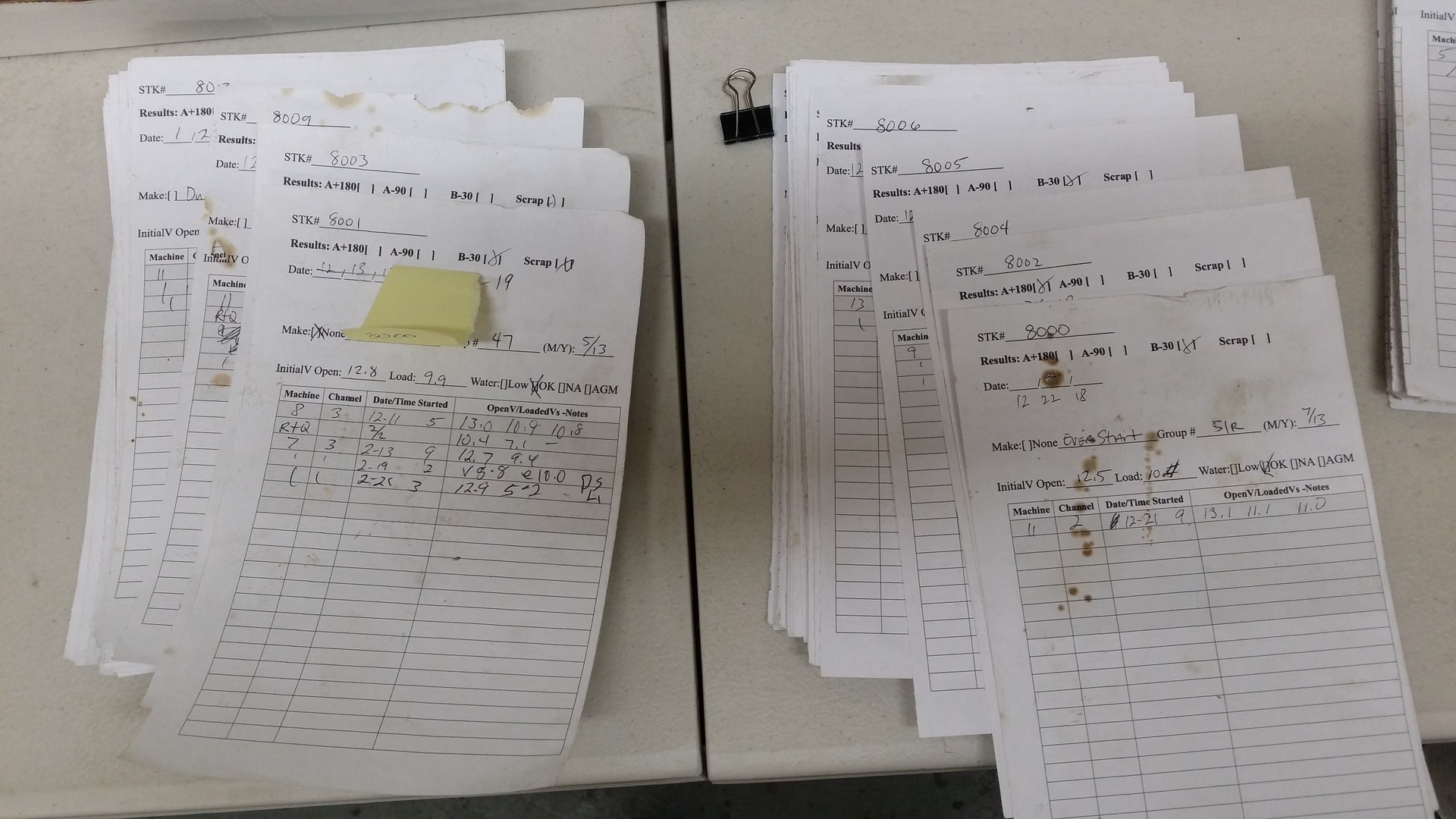
Individual battery sheets
Each sheet recorded a control number, the maker and group of the battery, its opening and loaded voltage, and a running log of every action taken and when. Around the 6,000th battery, the sheet format was simplified to save space, once the process itself had largely been settled and only the standardized outcome data still needed collecting.


This record is not a summary compiled after the fact. It is the original paperwork, and it can be inspected: the data was confirmed and gathered by four separate people over a period of four years.
A business built on the numbers
The record above exists because a real business was built around it: buying dead batteries, reviving them with this technology, and selling them for a profit. That business is only practical because of the restoration technology behind it. A traditional used-battery operation typically needs a large area and a lot of people and equipment to move enough batteries through to find the ones still worth charging, often 5,000 square feet or more, sorting through about 300 batteries to find 50 good ones. Built around ReVolt technology, the same kind of business runs in under 1,000 square feet, and sorts through about 100 batteries to produce 65 or more good ones.
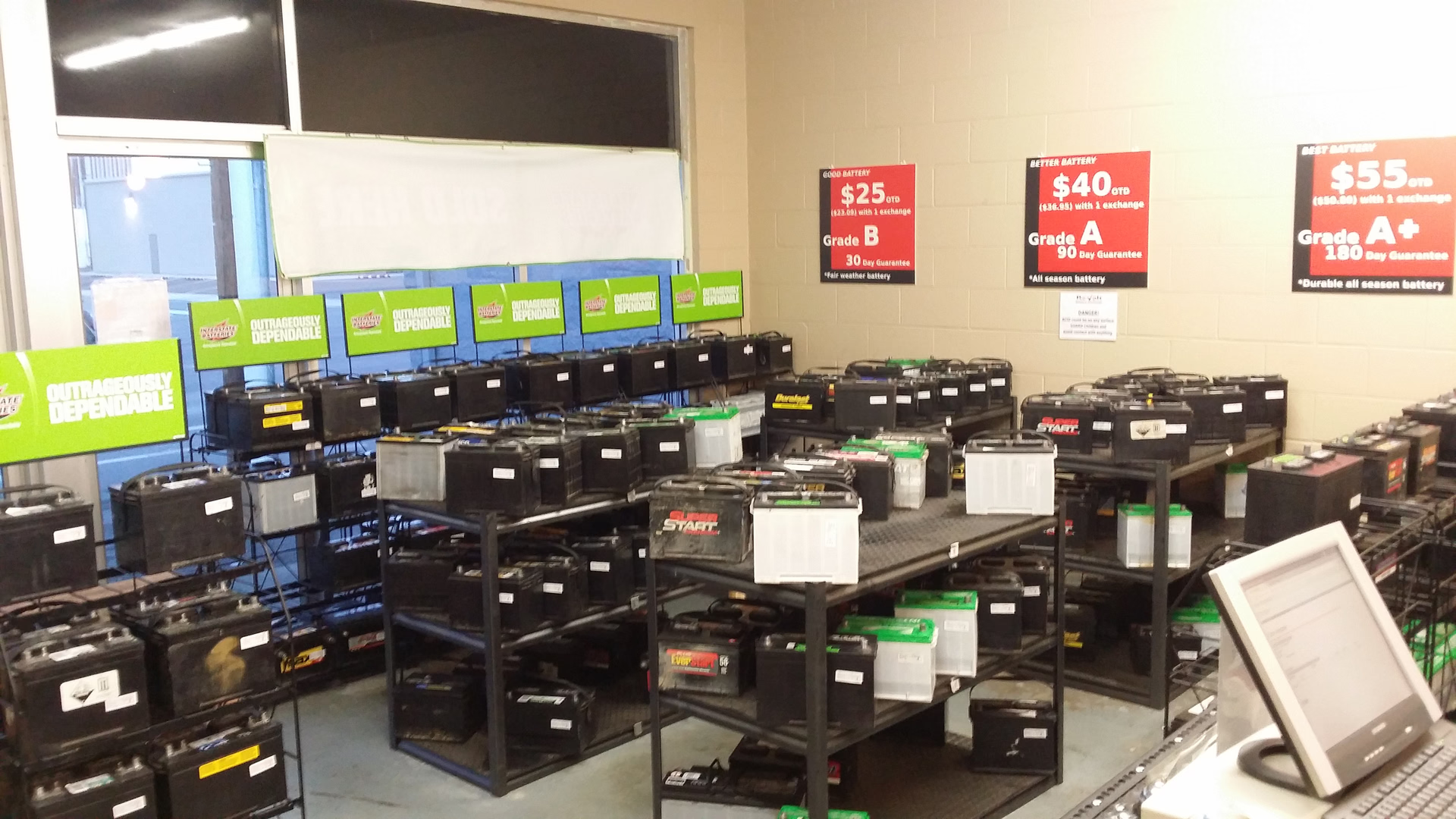
Every battery sold there carries the same unconditional, transferable money-back guarantee described above. A business selling that many guarantees could not survive a high failure rate, which is exactly why the record was kept in the first place: the guarantee and the data back each other up. ReVolt Battery Exchange opened in Reno, Nevada in August 2016 and is verifiable and open to inspection.
This data underlies every ReVolt restoration product. See how the method itself works on the technology page, or the current restoration systems it supports.